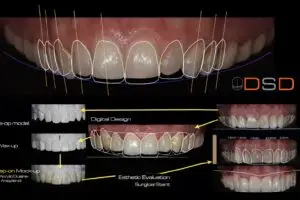
Modern dentures represent a remarkable blend of dental science and engineering, providing essential solutions for people with missing teeth. These dental prosthetics have evolved significantly over the years, offering increasingly natural-looking and comfortable options for those seeking to restore their smile and oral function. In this comprehensive guide, we’ll explore the intricate mechanics of how dentures work and the science behind their functionality.
Understanding the Basics of Dentures
Dentures are removable dental prosthetics designed to replace missing teeth and surrounding tissue. Full vs. partial dentures serve different purposes, with complete dentures replacing all teeth in an arch while partial dentures fill gaps while preserving healthy natural teeth. The choice between these options depends on individual circumstances, oral health conditions, and professional recommendations.
The Anatomy of Dentures
Modern dentures are sophisticated devices crafted from carefully selected materials. The base, typically made from acrylic resin or nylon, provides the foundation for artificial teeth made from porcelain or advanced acrylic compounds. These materials are chosen for their durability, aesthetic properties, and biocompatibility. The gum-colored components are meticulously designed to match natural gum tissue, ensuring a seamless blend with existing oral structures.
The Science Behind Denture Function
Physical Principles
The functionality of dentures relies on fundamental physical principles, including surface tension between the denture and oral tissues. Natural saliva plays a crucial role by creating an essential seal that helps maintain the denture’s position. Atmospheric pressure and muscular adaptation further contribute to stability during daily activities.
Key factors affecting denture stability include:
- Surface tension and adhesion
- Proper weight distribution
- Natural suction effect
- Muscular adaptation
Biomechanical Integration
Success with dentures depends heavily on their integration with the oral environment. The prosthetic must work in harmony with existing oral structures, whether that means adapting to the contours of the jaw for complete dentures or properly engaging with remaining natural teeth for partials. This integration requires precise fitting and regular monitoring to ensure optimal function.
Types of Dentures and Their Working Mechanisms
Complete dentures work through a combination of physical principles and anatomical engagement. The upper denture typically achieves stability through negative pressure created between the prosthetic and the palate. Lower dentures, while generally more challenging to stabilize, rely on proper weight distribution and muscle control.
Partial dentures function differently, utilizing strategic clasping on existing teeth and precision attachments to maintain position. These devices must distribute biting forces effectively while protecting remaining natural teeth from excessive stress.
The Process of Getting Dentures
The journey to getting dentures begins with a comprehensive assessment of oral health and individual needs. Dental professionals conduct thorough examinations and discuss patient expectations to develop appropriate treatment plans. The fabrication process involves several critical steps:
- Detailed impressions capture the exact contours of oral tissues
- Jaw relationships are carefully established for proper alignment
- Wax try-ins allow for adjustments to fit and appearance
- Final processing ensures durability and comfort
Adaptation and Function
Learning to use dentures requires patience and dedication. Initial challenges with speech and eating are normal and typically resolve as patients adapt to their new prosthetics. Success depends on following professional guidance and maintaining proper care routines.
Tips for Successful Adaptation
The adaptation period can be made easier by following these guidelines:
- Start with soft foods and gradually progress to firmer options
- Practice speaking in private to build confidence
- Maintain regular dental visits for adjustments
- Follow cleaning and maintenance instructions carefully
Care and Maintenance
Proper denture care is essential for longevity and comfort. Daily cleaning, safe handling, and appropriate storage help prevent damage and maintain optimal function. Regular professional maintenance, including examinations and adjustments, ensures continued proper fit and function.
Modern Innovations in Denture Technology
Advancements in dental technology have revolutionized denture design and fabrication. Digital scanning and computer-aided design allow for more precise fits, while improved materials offer enhanced durability and natural aesthetics. Implant-supported options provide additional stability and comfort for suitable candidates.