Tooth loss can impact not just your smile but also your ability to eat, speak, and maintain oral health. When considering tooth replacement options, dentures are a common and effective solution. However, choosing between partial and full dentures depends on your dental needs, lifestyle, and personal preferences. This guide will help you understand the key differences and benefits of each option.
What Are Dentures?
Dentures are removable prosthetic devices designed to replace missing teeth and restore oral function. They come in two main types: partial dentures and full dentures. While partial dentures are used when some natural teeth remain, full dentures replace an entire set of teeth in the upper or lower jaw.
How Do Dentures Work?
Dentures function by mimicking natural teeth, allowing users to chew, speak, and smile with confidence. Full dentures rely on suction and adhesives to stay in place, while partial dentures use clasps or precision attachments to anchor onto existing teeth. Properly fitted dentures not only improve aesthetics but also prevent issues like bone loss and shifting teeth.
Upper and Lower False Teeth: Understanding the Fit
The design and fit of upper and lower false teeth vary depending on individual needs. Upper dentures generally provide a more secure fit due to the natural suction created by the roof of the mouth. Lower dentures, however, often require additional stabilisation methods, such as dental adhesives or implant-supported options, to improve comfort and functionality.
Partial Dentures vs. Full Dentures: Key Differences
1. Number of Missing Teeth
- Partial dentures are ideal for individuals who have some healthy teeth remaining.
- Full dentures are necessary when all teeth in an arch (upper or lower) are missing.
2. Stability and Support
- Partial dentures rely on remaining teeth for support, ensuring better stability.
- Full dentures depend on gum support, and some users may find them less secure.
3. Comfort and Adaptation
- Partial dentures are often more comfortable to wear because they maintain some natural teeth.
- Full dentures require an adjustment period as the mouth adapts to the new prosthetic.
4. Maintenance and Longevity
- Both types require regular cleaning and maintenance.
- Dentures typically last 5-10 years before needing replacement due to wear or changes in the mouth.
Dentures That You Can Wear All the Time: Pros and Cons
Many people wonder if dentures that you can wear all the time are a viable option. While modern dentures offer excellent comfort, wearing dentures continuously may lead to gum irritation and infections. It is generally recommended to remove dentures at night to allow the gums to rest and prevent bacterial buildup.
Pros and Cons of Partial and Full Dentures
Partial Dentures:
Pros:
- Preserve remaining natural teeth
- Provide better stability
- More affordable than full dentures
Cons:
- Require healthy supporting teeth
- Clasps may be visible
Full Dentures:
Pros:
- Restore complete smiles
- Improve facial structure
- Customised to fit comfortably
Cons:
- May take time to adjust
- Less stable than partial dentures
Tips for Adjusting to Dentures
- Start with soft foods and gradually introduce harder textures.
- Practice speaking to improve confidence and clarity.
- Use recommended adhesives for better stability.
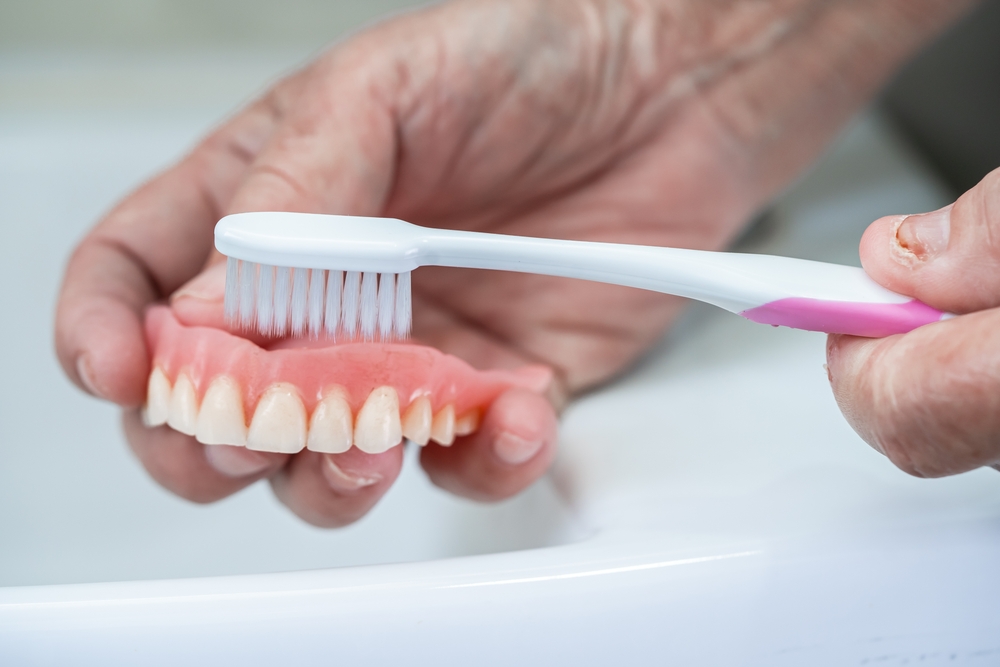
- Maintain dental care by cleaning dentures daily to prevent plaque buildup.