White spots or stains on teeth can be a source of cosmetic concern for many Australians. These chalky, opaque areas stand out against the natural colour of teeth, often affecting confidence. This guide explores the origins of white spots and provides solutions to help restore your smile’s uniform appearance.
Understanding White Spots on Teeth
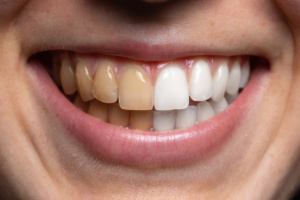
White spots, medically known as white spot lesions (WSLs), appear as opaque, chalky areas that contrast with the surrounding tooth enamel. These discolourations occur when the enamel loses minerals in a process called demineralisation, creating a different optical appearance than healthy enamel.
Common Causes of White Spots
Dental Fluorosis
Dental fluorosis occurs from excessive fluoride exposure during childhood when teeth are still developing. In Australia, where community water fluoridation is common, mild fluorosis appears as faint white lines or streaks across the teeth. Fluorosis-related marks are typically symmetrical and appear on multiple teeth that developed during the same period.
Poor Oral Hygiene During Orthodontic Treatment
Braces create spaces that trap food particles and make cleaning difficult. After braces removal, rectangular patterns of white spots may remain where brackets were. These marks represent early-stage demineralisation that precedes cavities and eventually fillings, and are common among teenagers struggling with maintaining optimal oral hygiene during orthodontic treatment.
Early Decay and Demineralisation
White spots can represent the earliest visible stage of tooth decay, occurring when acids from plaque bacteria dissolve enamel minerals. These spots often appear near the gumline or between teeth, areas prone to plaque accumulation. Unlike fluorosis, decay-related white spots typically appear asymmetrically.
Enamel Hypoplasia
This developmental condition results in thin or incomplete enamel formation, caused by nutritional deficiencies, high fevers, certain medications in childhood, premature birth, or genetic factors. Enamel hypoplasia typically manifests as horizontal white lines or pits across multiple teeth.
Diet and Lifestyle Factors
Frequent consumption of acidic beverages, high-sugar diets, chronic dry mouth, and excessive whitening product use can all contribute to white spot formation.
Professional Treatments for White Spots
Microabrasion
Dental microabrasion involves gently removing a microscopic layer of surface enamel using a special abrasive compound. This works well for superficial white spots, requires minimal enamel removal, and often produces immediate visible results.
Dental Veneers
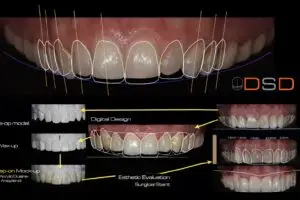
For severe or resistant white spots, porcelain veneers offer a comprehensive solution. These thin porcelain shells bond to the front surface of teeth, completely masking underlying white spots and other imperfections while providing long-lasting results.
Resin Infiltration
This innovative treatment infiltrates porous enamel with clear resin material that fills microscopic pores in demineralised areas. The resin matches the optical properties of natural enamel, effectively camouflaging white spots without removing significant tooth structure. It works especially well for post-orthodontic white spots.
Tooth Whitening
Professional whitening can sometimes reduce the contrast between white spots and surrounding tooth structure, making spots less noticeable by reducing the colour difference.
Remineralisation Treatments
Dentists can apply concentrated remineralising agents to restore minerals to demineralised areas, particularly effective for early demineralisation that hasn’t progressed to permanent changes.
At-Home Solutions
Oral Hygiene Optimisation
Brush thoroughly twice daily with fluoride toothpaste, use proper technique, floss daily, and consider an electric toothbrush for more effective cleaning. Finish with an alcohol-free fluoride mouthwash to deliver additional remineralising agents.
Remineralising Products
Several over-the-counter products can help remineralise enamel at home, including toothpastes containing calcium phosphate compounds, high-fluoride prescription toothpastes, Tooth Mousse containing Recaldent™, and hydroxyapatite-containing products. These work gradually and need regular application over weeks or months.
Dietary Modifications
Reduce consumption of acidic beverages, limit sugary foods and drinks, increase calcium-rich foods, and stay well-hydrated with water to maintain adequate saliva production for natural remineralisation.
Prevention Strategies
Maintain meticulous oral hygiene during orthodontic treatment, monitor children’s fluoride exposure from multiple sources, attend regular dental check-ups for early detection, use straws for acidic beverages, and rinse with water after consuming acidic foods or drinks, especially after dental treatment.
When to Seek Professional Help
Consider consulting a reliable dentist if white spots cause significant cosmetic concerns, home remedies haven’t produced improvement, spots are accompanied by sensitivity, you notice changes in the spots, or you’re uncertain about their cause.
Early intervention typically allows for more conservative treatment options with better outcomes.
Conclusion
White spots on teeth can arise from various causes. Understanding the specific cause is key to selecting the most appropriate treatment approach.
For mild cases, consistent use of remineralising products and improved oral hygiene might suffice. More noticeable marks may benefit from professional treatments like microabrasion, resin infiltration, or veneers.