Thinking about veneers? You’re not alone. They’re pretty popular these days for fixing chips, stains, and gaps. Actually, the veneer market in Australia is growing at 8.4% per year (according to Grand View Research) and is expected to hit $112.1 million by 2030.
But here’s what everyone really wants to know: what’s this going to cost?
Fair question. Let’s break it down.
What Are Veneers Anyway?
Veneers are thin shells – either porcelain or composite resin – that get bonded to the front of your teeth. Think of them like a cover-up for your smile. They hide chips, stains, gaps, or slightly wonky teeth. Pretty straightforward.
Most people get them to:
- Cover stubborn discolouration (whitening just won’t fix some stains)
- Repair chips or small cracks
- Close up gaps between teeth
- Even out teeth that are slightly uneven or worn down
You’ll come across two main types –composite veneers and porcelain. Both work. But they’re quite different in price and how long they last.
The Real Cost Breakdown
Here’s what you’re looking at:
|
Type |
Cost Per Tooth |
How Long They Last |
Best For |
|
Composite Resin |
$250 – $900 |
4–8 years |
Tighter budgets, quick fixes |
|
Porcelain/Ceramic |
$1,200 – $3,000+ |
10–20 years |
Long-term investment |
Prices shift around a lot. Depends where you are. Sydney and Melbourne clinics? Higher end. Regional practices? Usually cheaper. How experienced your dentist is matters too. And if you’re doing multiple teeth, some places offer package deals. Works out cheaper per tooth.
According to the Australian Dental Association, porcelain veneers (ADA item codes 556, 578 x 2) average around $2,000 per tooth. Composite veneers (codes 526, 578 x 2)? Closer to $800.
Worth noting: only fixing one or two teeth? Partial veneers can be a good middle option. Costs less than a full set.
Porcelain vs Composite – What’s the Difference?
Porcelain Veneers:
- Custom-made in a dental lab
- Look more natural. That translucent quality like real enamel
- Stain-resistant. Coffee and wine barely touch them
- Last 10-20 years.
- Can’t be repaired if chipped. Need full replacement
- Take 2-3 appointments
- Cost more upfront. Better value long-term though
Composite Veneers:
- Made directly on your teeth. One visit
- More affordable
- Easy to repair if damaged
- Stain more easily. Especially if you smoke or drink heaps of coffee
- Need replacing every 4-8 years
- Need regular polishing
- Less enamel removal needed
Porcelain lasts longer. Doesn’t stain as much. Makes it more cost-effective over time. Composite works if you’re on a budget or want something quick.
What Pushes the Price Up or Down?
A few things affect what you’ll end up paying:
Material Quality: Porcelain veneers cost more. They’re tougher, look more natural, and need proper lab work. Composite is faster and cheaper. Doesn’t last as long though.
Number of Teeth: One tooth costs less than doing your whole smile. Makes sense. Most people get 4-8 veneers on their upper front teeth. More teeth = higher total. Some dentists offer discounts for multiple teeth.
Your Dentist’s Experience: Cosmetic dentistry is part art, part science. An experienced cosmetic dentist charges more. You’re paying for skill that shows in the result. Always check their before-and-after photos before booking.
Where You Live: Big city practices in Sydney, Melbourne, Brisbane charge more. Higher rent, higher costs. Suburban or regional clinics are usually cheaper.
Extra Work Needed: Need cleaning, fillings, or gum treatment first? That’s extra. Your dentist will spot this during the consultation.
Long-Term Maintenance: Porcelain costs more now. But it resists staining and lasts longer. Factor in replacement costs over 10-15 years? Porcelain often works out cheaper per year.
How It Actually Works
First Appointment: Your dentist checks your teeth. Talks through what you’re after. Recommends which type suits your needs and budget.
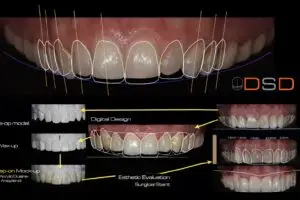
Planning Stage: They take digital scans or impressions. Most clinics can show you mock-ups. So you know what to expect.
Prep Work For porcelain, they remove about 0.3-0.5mm of enamel. Makes room for the veneer. Composite often needs way less prep.
Getting Them Made Porcelain veneers get made in a lab. Takes 1-2 weeks. You wear temps during this time. Composite? Gets applied and shaped directly in one visit.
Fitting Day: Your dentist bonds them on. Checks the fit and colour. Make any tweaks needed.
Looking After Them: Brush twice daily. Floss carefully. Don’t bite hard stuff. Seriously, no cracking nuts with your teeth. Keep up with check-ups. Grind your teeth at night? Get a night guard. It’ll protect your investment.
Are They Worth It?
Depends on what you’re after. A lot of people say the confidence boost alone is worth it. Veneers are good at fixing stuff that whitening or braces can’t. Like permanent stains. Chips. Small gaps.
The longevity of veneers is typically 15-20 years when you look after them. That’s a solid investment. Even though the upfront cost stings a bit.
But they’re not for everyone. Bad tooth grinding? Gum disease? Major misalignment? You’ll need to sort those first. A proper consult will tell you if you’re a good candidate.
Insurance and Payment Plans
Reality check: Most private health insurance won’t cover veneers. They’re classed as cosmetic. In rare cases, where do veneers fix structural damage? You might get partial coverage. Worth checking your policy.
Good news, though. Most dental clinics offer payment plans. Spread the cost over a few months. Some have interest-free options. Just ask when you book.
Bottom Line
Composite veneers: $250-$900 per tooth. Last 4-8 years. Porcelain: $1,200-$3,000+ per tooth. Last 10-20 years. Full smile (6-10 teeth): $2,700-$21,000+. Depends on type.
Best way to get accurate pricing? Book a consult. An experienced dentist will check your teeth. Talk through options honestly. Give you a proper quote.
At Najmi Dental, we’ll walk through everything. Answer your questions. Help you figure out what works for your smile and budget. No pressure. No cookie-cutter solutions. Just honest advice.