Blog Articles

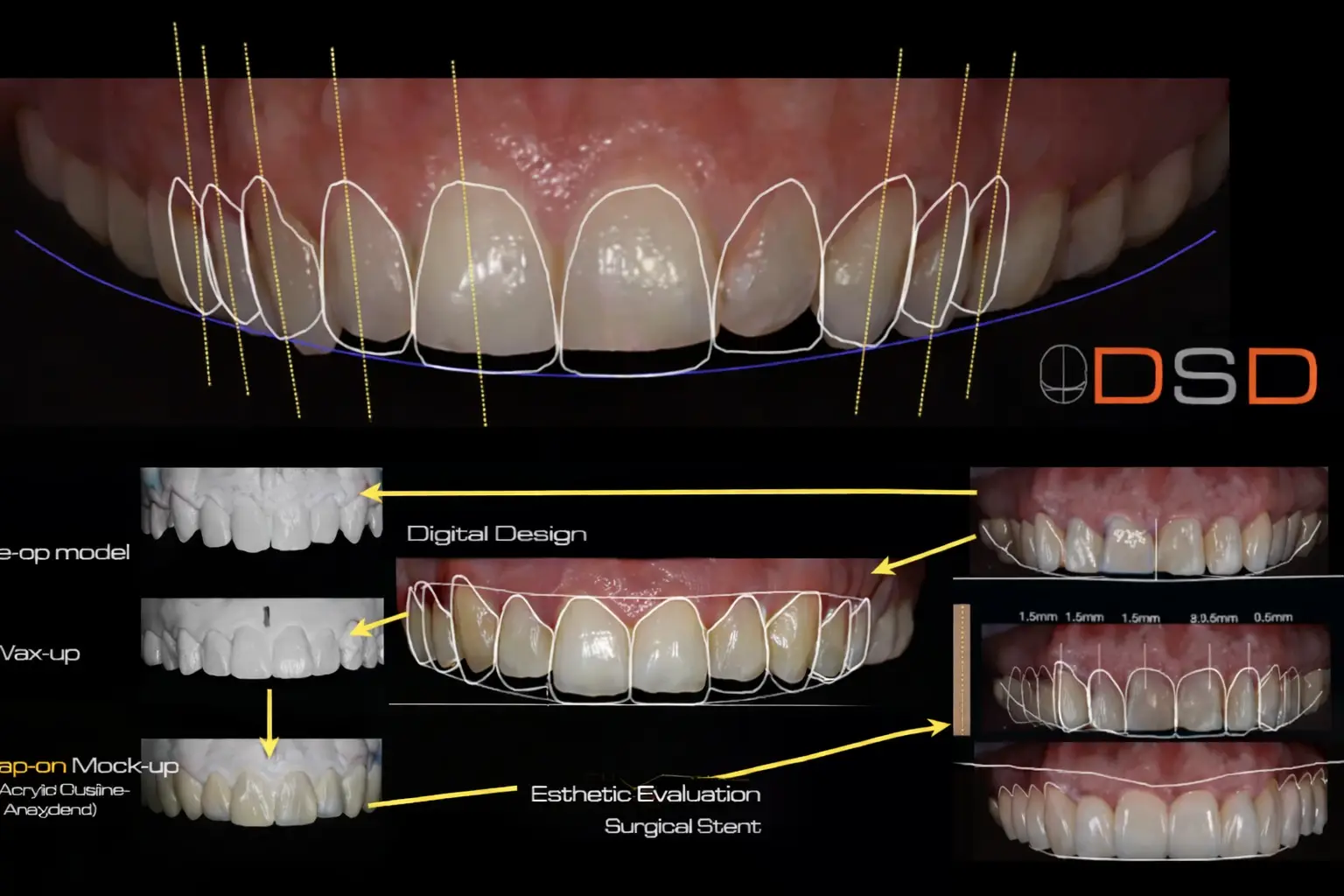
What to Expect from Digital Smile Design – Is It Worth It?

Thinking about veneers or a smile makeover but stressed about how it’ll actually turn out? Digital Smile Design has shifted how cosmetic dentistry works in Australia. You’re not just hoping things work out anymore – you actually get to see and sign off on your new smile before anything becomes permanent. Let’s get into what DSD involves, what you’ll pay, and whether it’s genuinely worth it. What is Digital Smile Design? Digital Smile Design is a planning system that shows you what your smile will look like after treatment. Your dentist photographs your teeth from multiple angles and takes 3D scans,

Read More
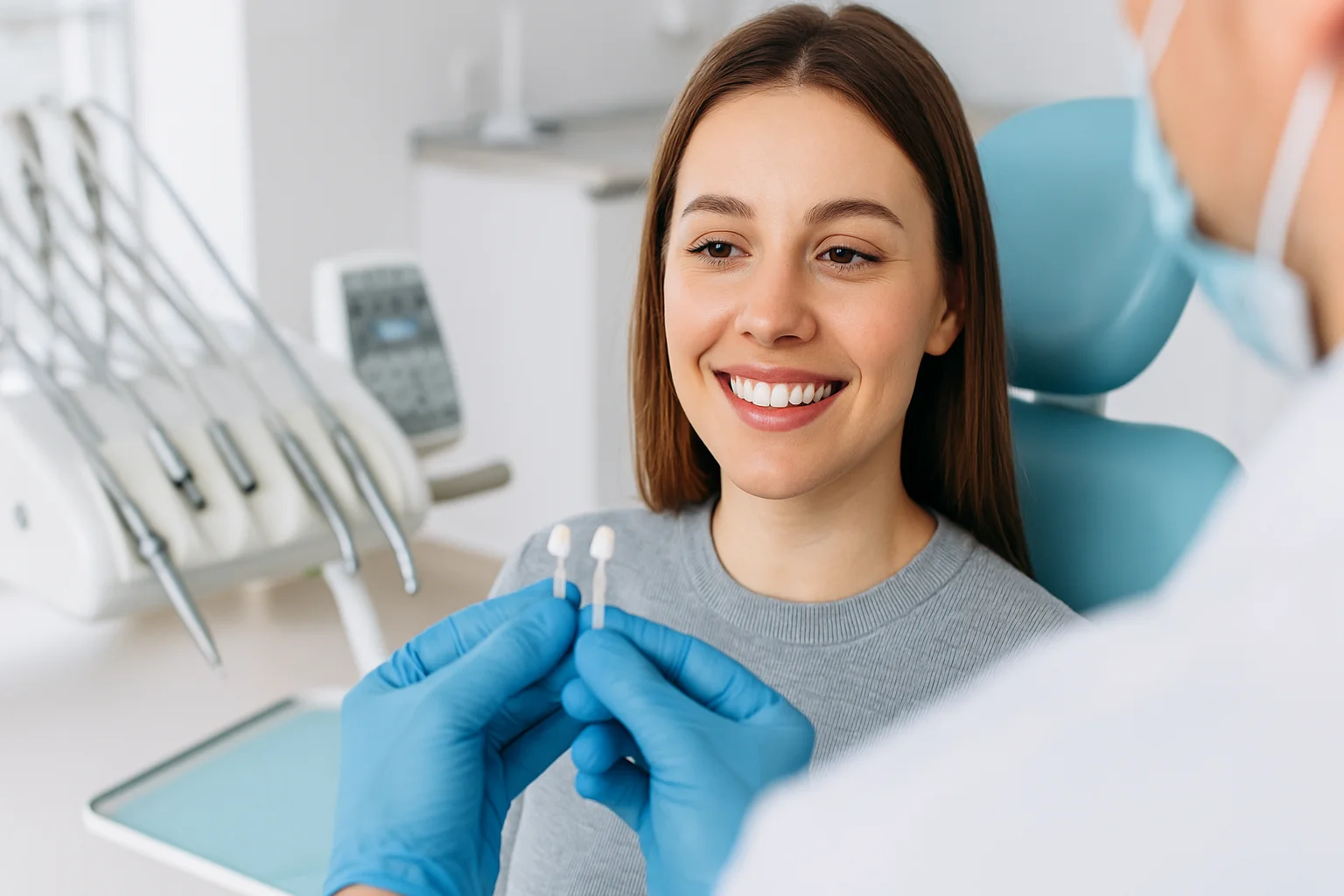
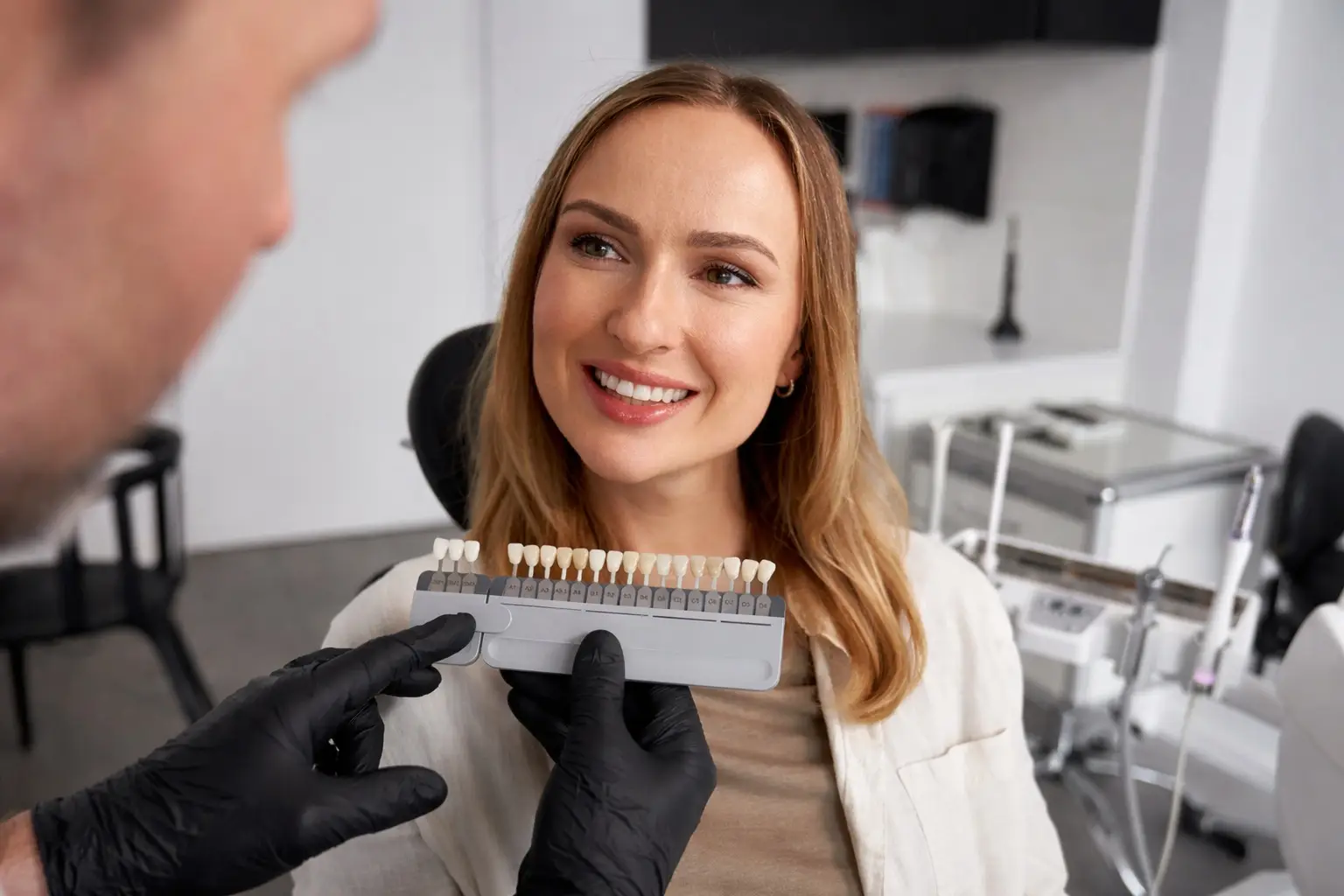
Close-up of a woman smiling while a dentist holds a veneer shade guide to match her teeth.

Does Dental Insurance Cover Cosmetic Dentistry in Australia?

You’re looking at your teeth in the mirror and thinking about getting some cosmetic work done. Maybe whitening, maybe veneers. Then the question hits: will my health insurance cover this? The answer for most cosmetic dental work is no. Australian health funds typically don’t cover procedures done purely for appearance. But there’s a bit more to it than that simple no. Sometimes what seems cosmetic is actually treating a real problem. And that’s where things get interesting – because those procedures might qualify for coverage even though they improve how you look. Understanding Dental Insurance Coverage in Australia Your private health

Read More

How to Prepare for Your First Dental Appointment: Tips and Tricks

Booked your first dental appointment and now you’re overthinking everything? Wondering if you need to fast, brush ten times, or show up an hour early? Most preparation advice either tells you nothing useful or makes it sound more complicated than it is. Here’s what actually makes a difference. Pick a Time That Works for Your Nerves The time you book makes a bigger difference than you’d think. If you get more anxious as the day goes on, book the earliest slot. You won’t spend eight hours convincing yourself something terrible will happen. If you wake up anxious, book around 11am. Give

Read More
Smiling dentist assisting a relaxed patient in a modern dental clinic with natural light and greenery.

How Dentistry Today Makes Treatment Easier and More Comfortable

Your childhood dentist visits probably stick with you. The loud drilling. Those metal trays that made you gag. That was dentistry in the 1990s and early 2000s. A lot has changed since then. If you haven’t been in ten years, you’re likely expecting that same experience. But the equipment is different. The techniques are different. Even the approach to treatment is completely different. Dentistry in 2026 focuses on catching problems early, when they’re easier to fix and more comfortable to treat. Let’s look at what’s actually changed. Why Dental Treatment Comfort Matters More Now Dentistry shifted from reactive to preventive over

Read More
woman expressing fear for her dental exam

How to Overcome Your Fear of the Dentist: A Practical Guide That Works

You’ve been putting it off for three years. Every time you think about booking, your chest tightens. You scroll past the dentist’s number. You tell yourself next month. Dental fear affects 1 in 6 Australians. It’s not a weakness. It’s a real anxiety response keeping you from getting care. But you can work through it, especially if you’re nervous of dentists. Let’s talk about actually getting through that door. Understanding Your Specific Fear Past trauma sticks. A rough hygienist when you were eight. A dentist who kept drilling when you said it hurt. That memory doesn’t just disappear. Pain fear is

Read More
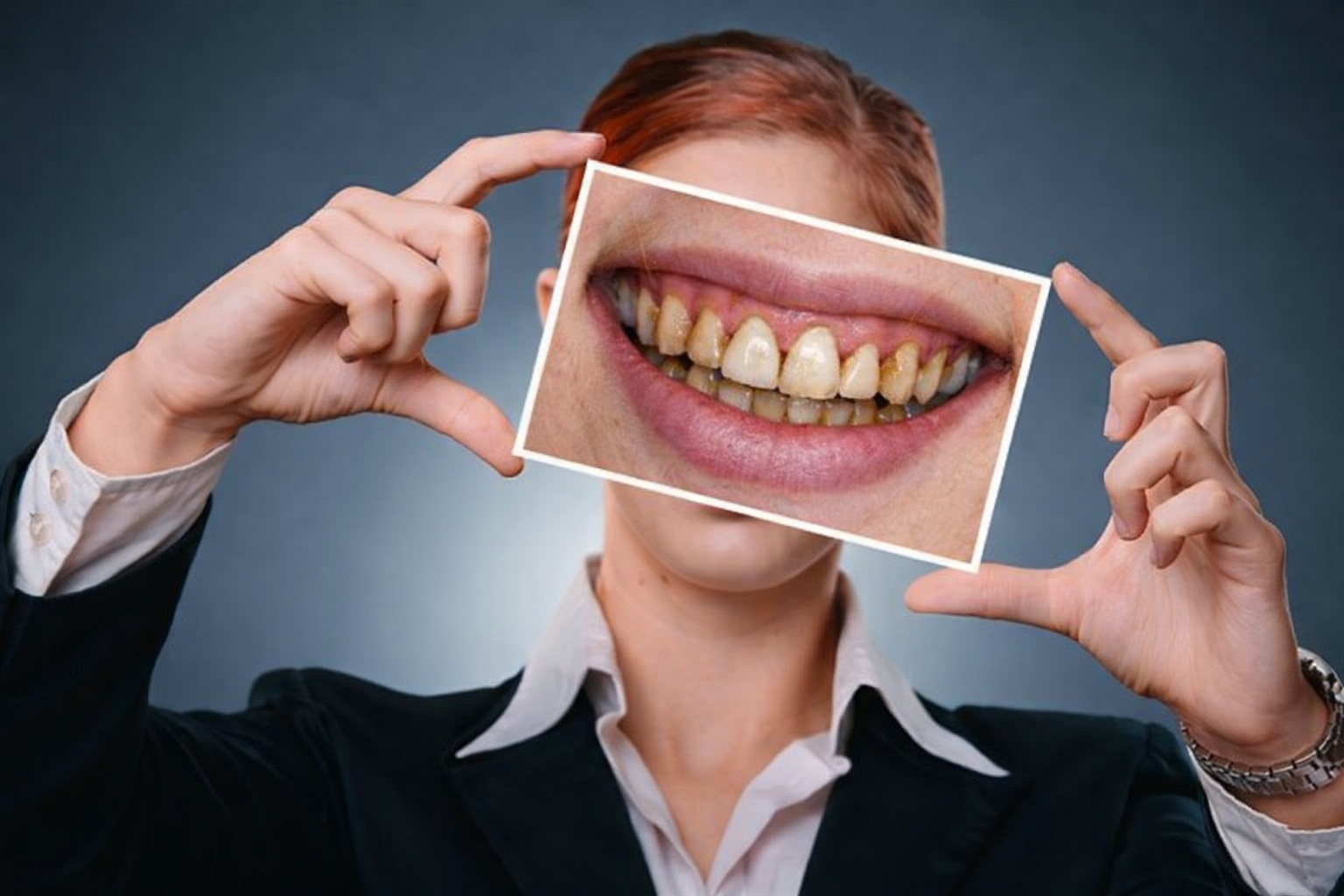
Woman in a black suit holds an image of her stained teeth, showcasing visible plaque and discoloration against a blue-gray background.

How to Treat Stained Teeth: What Actually Works (And What’s a Waste of Money)

Your mate’s got teeth like a toothpaste ad. Yours? More café latte coloured. You’ve tried whitening toothpaste, scrolled past charcoal products. Nothing’s working. Most teeth whitening advice is either selling you something dodgy or making fake promises. Let’s talk about what genuinely works, what wastes money, and which treatment makes sense for your situation. Understanding Why Teeth Get Discoloured Natural tooth colour ranges from light grey to yellowish-white. Comparing yourself to Instagram means comparing yourself to veneers and filters. Tooth discolouration is treatable and worth addressing if it bothers you. Surface stains from coffee, wine, or smoking sit on your enamel.

Read More
A smiling dental team with a mother, father, and daughter giving thumbs up in a dental clinic setting, showing a positive and welcoming atmosphere.

What Actually Makes a Dental Clinic Patient-Friendly?

Every dental clinic’s website says they’re “patient-focused” or “caring.” Then you rock up and it’s completely different: reception barely looks up, you’re in and out in twelve minutes, and somehow you’re leaving with a $3,000 treatment plan you weren’t expecting. What’s the actual difference between a clinic that genuinely cares and one that’s just good at marketing? After years of hearing patient stories, here’s what matters. What Patient-Friendly Actually Looks Like Real patient-friendly care isn’t about leather chairs or cappuccinos. It’s whether the dentist sits down when they talk to you, or hovers like they’ve got somewhere better to be. If

Read More

Why Cold or Hot Drinks Hurt Your Teeth (What Your Body’s Trying to Tell You)

That first sip of coffee shouldn’t feel like biting into an ice cube. Neither should a cold beer send a jolt through your jaw. Yet here you are, wincing every time temperature hits your teeth. You’re not imagining it and you’re far from alone. A 2023 Haleon study across Europe found something startling: 1 in 2 adults now experience tooth sensitivity pain. That’s double what researchers expected. Right here at home, temperature-triggered discomfort has become one of the most common reasons people finally book that dental appointment they’ve been putting off for months. Here’s what’s actually happening behind that pain. The

Read More

Why Your Smile Looks Yellow Even After Brushing Daily

You’re brushing twice a day, sometimes three. You’ve chucked money at whitening toothpaste. Yet every time you smile in a photo, there it is that yellow tinge. What if I told you you’re not even looking at stains? You’re looking through your teeth. Yeah, through them. And once you understand that, everything changes. The Science Behind Why Daily Brushing Can’t Prevent Discolouration Your tooth isn’t one solid thing. It’s got layers. The outside is enamel sort of translucent, like frosted glass. Underneath sits dentin, which is naturally yellow. The colour you see? That’s your dentin showing through your enamel. Thinner enamel

Read More

Why You Should Never Skip Your 6-Month Dental Checkups

Ever had a tooth start throbbing at 2am? Most people who end up in that situation will tell you the same thing: there were warning signs they ignored for months. That dull ache when chewing. The occasional sensitivity. The spot that bled when they flossed. Australians spend over $10 billion annually on dental care, according to the Australian Dental Association, and a massive chunk goes towards fixing problems that could’ve been caught early. The Australian Institute of Health and Welfare found that only 53% of people aged 15 and over saw a dentist in the past year. The other half? They’re

Read More

Why You Should Book a Dental Check-Up If You Suspect You’re Grinding Your Teeth

Here’s something weird: right now, as you read this, your jaw muscles are probably relaxed. Your teeth aren’t touching. That’s how it’s meant to be most of the day. But tonight? There’s a chance you’ll clench down with enough force to crack a walnut. And tomorrow morning, you’ll wake up none the wiser, maybe with a headache you’ll blame on your pillow. One in three Australians grinds their teeth at night. Most have no clue they’re doing it. If you’re experiencing unexplained jaw pain, morning headaches, or worn teeth, you might be one of them. What Is Teeth Grinding (Bruxism)? Teeth

Read More

Cracked Tooth Symptoms and Treatment: What You Need to Know

Sharp pain when biting down? Sensitivity that won’t quit? These are textbook cracked tooth symptoms. Research shows 79% of cracked teeth occur in molars and most patients are over 40 years old.  Cracks don’t heal themselves, they spread, let bacteria in and turn a fixable problem into an extraction. Here’s what causes them, how to spot them and what actually works to save your tooth. What Causes Teeth to Crack? Immediate damage: Biting hard lollies, ice, or olive pits Sports injuries without a mouthguard Using teeth as tools (opening bottles, tearing packaging) Sudden temperature shock (hot coffee immediately followed by ice

Read More

Why Your Gums Bleed When You Brush (And How to Stop It)

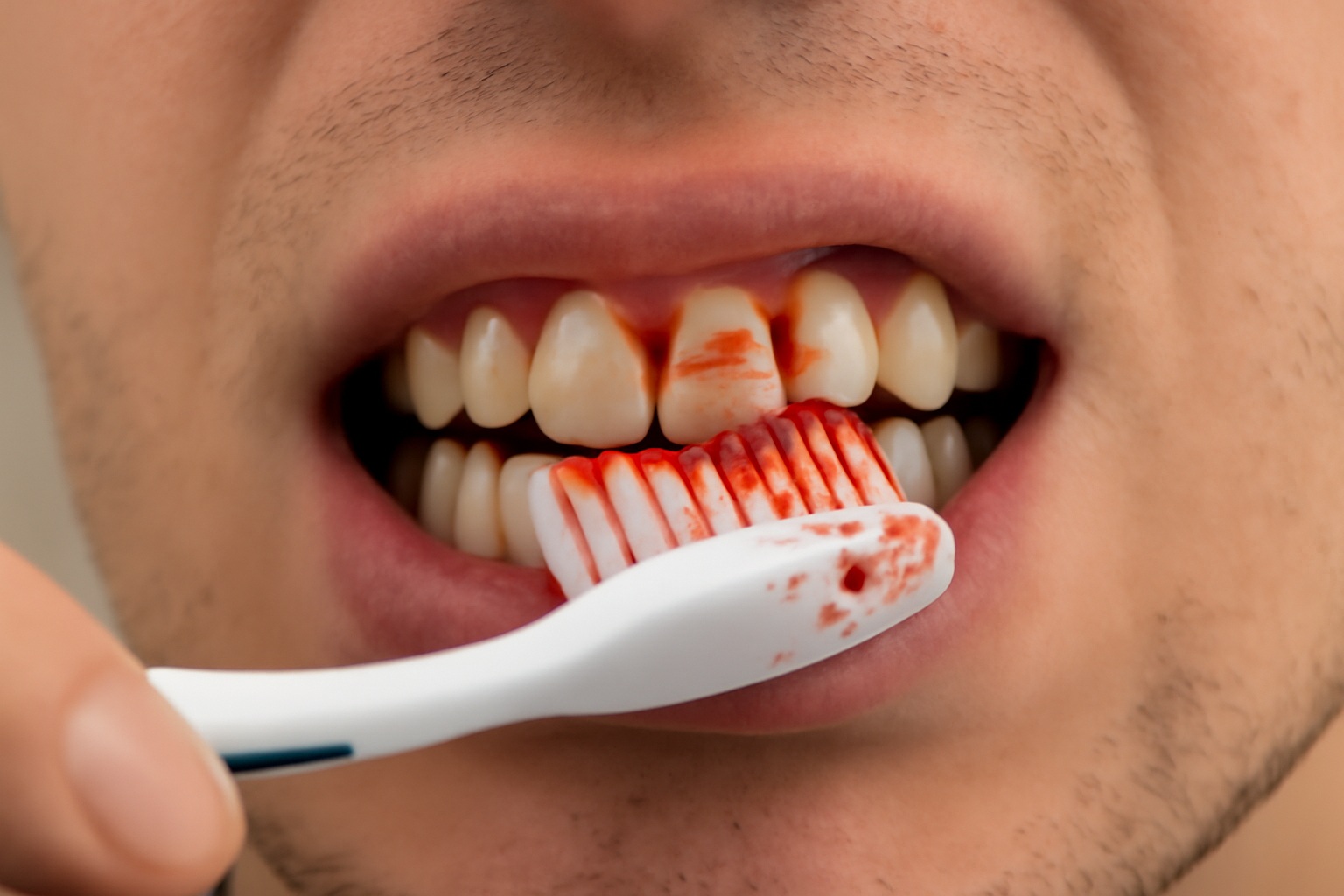
You’re brushing your teeth and notice a bit of pink in the sink. Or maybe your toothbrush has some blood on it. If this keeps happening, it’s worth paying attention to. Bleeding gums aren’t normal. When your gums bleed, something’s not right. Studies show 42% of adults over 30 have gum disease and bleeding is usually the first sign. Here’s what you need to know. Why Gums Bleed It’s Usually Plaque Most of the time, bleeding happens because plaque builds up where your teeth meet your gums. Plaque is that sticky stuff that forms when you haven’t brushed well enough or

Read More

Is Dental Treatment Still Painful in 2025?

Is Dental Treatment Still Painful in 2025? If you’ve been avoiding the dentist because you’re worried about pain, you’re not alone. But here’s the thing: dentistry in 2025 is completely different from what your parents or grandparents went through. Modern dental treatment has evolved dramatically with advanced technology and techniques designed specifically for patient comfort. From laser dentistry to computer-controlled anaesthesia, today’s procedures focus on making your experience as pain-free as possible.  Why People Still Fear the Dentist About 16% of Australian adults deal with dental anxiety. The fear of needles tops the list, with nearly half of anxious patients saying

Read More
Invisalign

How Long Does Invisalign Take to Straighten Your Teeth?

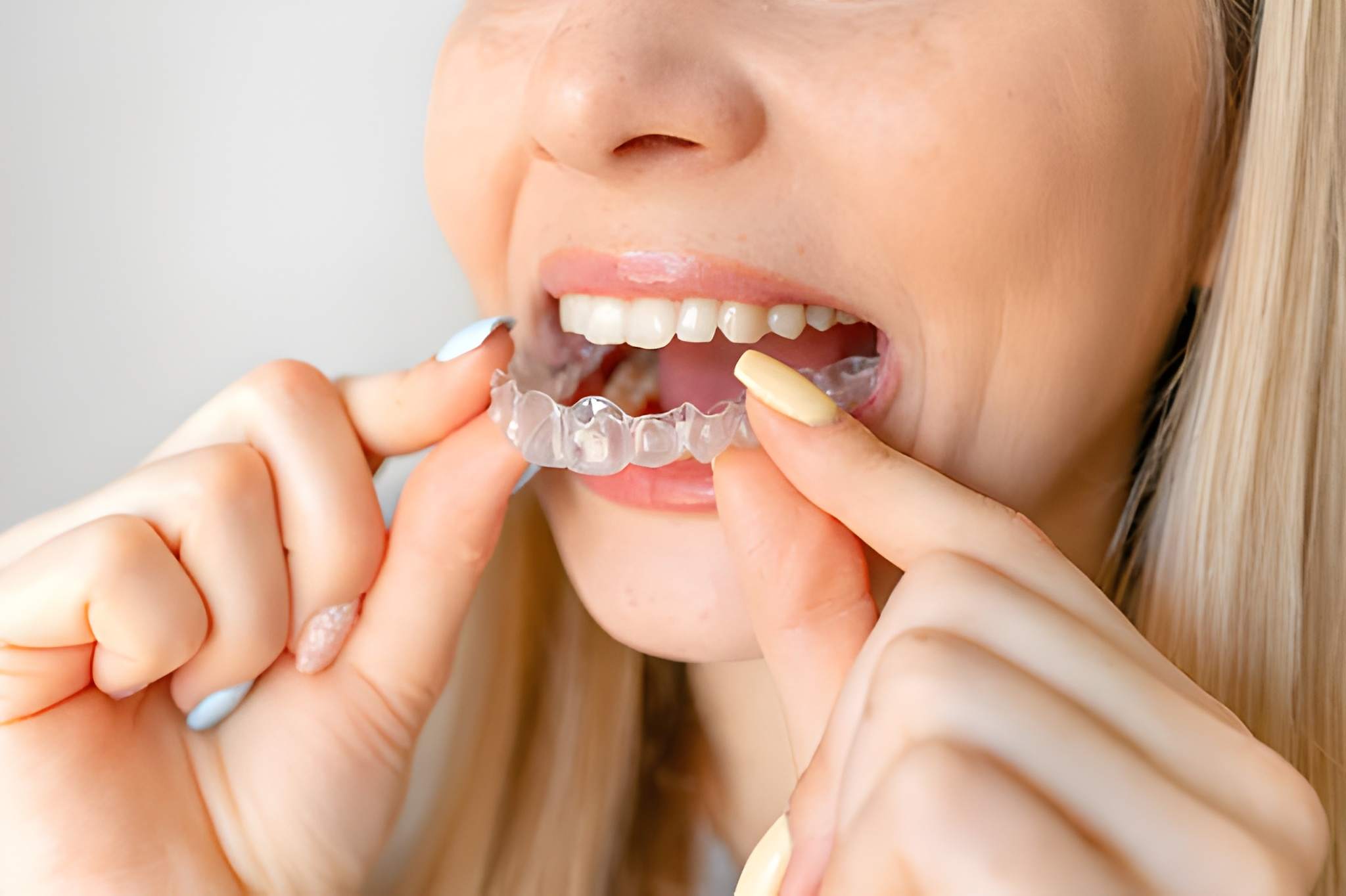
Thinking about Invisalign? You’re probably wondering how long you’ll actually need to wear those clear aligners. It’s the first thing most people want to know. The short answer? It depends. Every smile is different. What takes six months for one person might take 18 months for another.  As part of our Invisalign services, we help patients understand exactly what to expect from their treatment journey. Let’s look at what affects your timeline and what you can expect. Expected Timeline for Invisalign Treatment Most people finish Invisalign in 6 to 18 months. That’s a pretty wide window. Got minor gaps or slight

Read More
veneers

The Different Types of Teeth Whitening Treatments

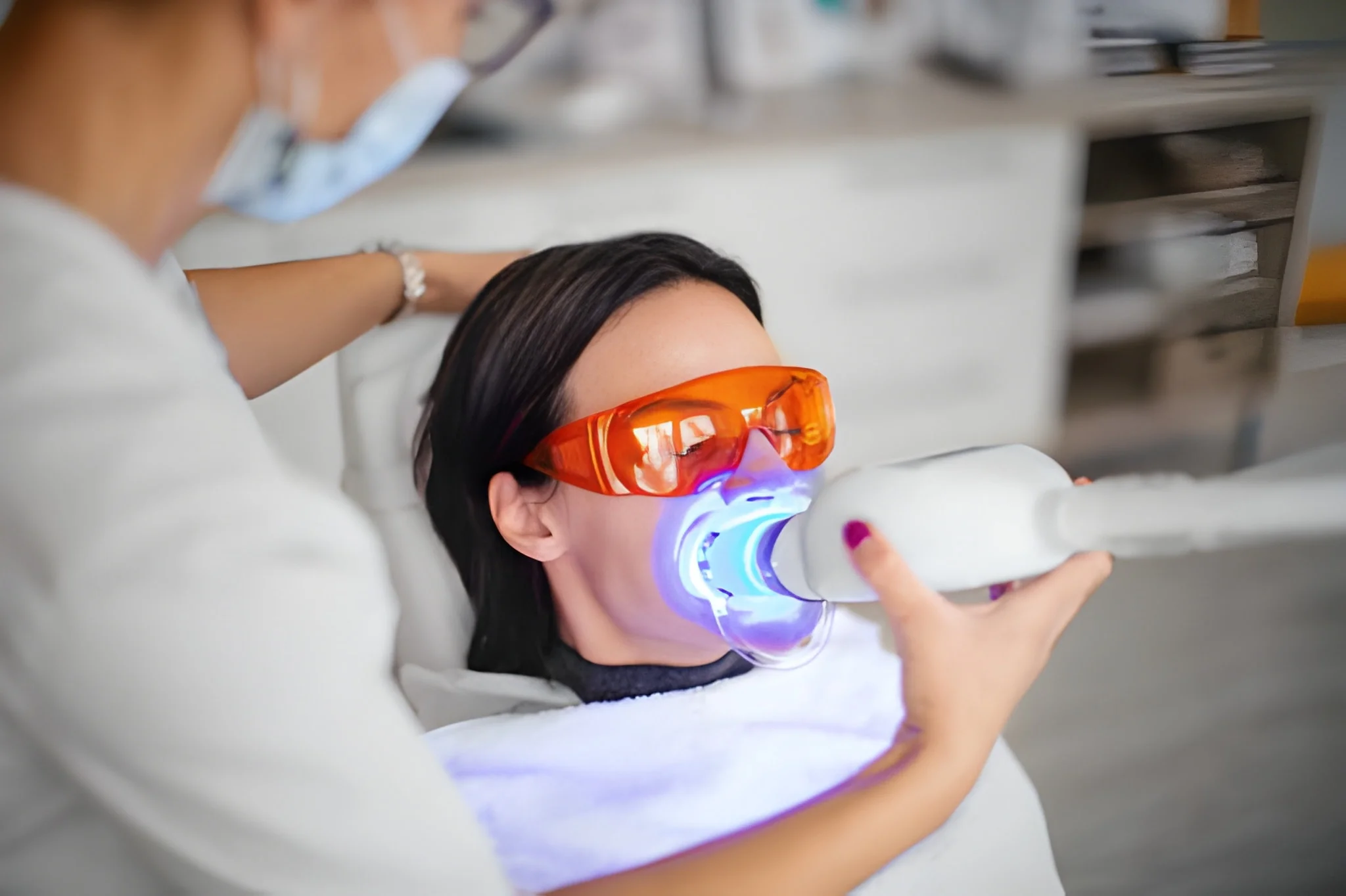
Coffee stains, wine, ageing. They all leave their mark on your teeth. If you’re thinking about whitening, you’ve got options. Some work faster, some cost less and some you can do at home. Let’s break down what’s out there so you can pick what suits you. In-Chair Whitening This is the quickest way to get results. You sit in the dental chair for about an hour and walk out with noticeably whiter teeth. How It Works Your dentist puts a protective barrier on your gums first. Then they apply a strong whitening gel to your teeth. Some dentists use a special

Read More
smiling-girl-with-coral-color-blouse_11zon

Is Teeth Whitening Safe for Your Gums?

You’ve been thinking about brightening your smile, haven’t you? Maybe you’ve noticed your teeth looking a bit dull after years of morning coffees or red wine dinners. But before you book that appointment, there’s one question that keeps popping up: what about your gums? It’s a fair concern. After all, your gums are just as important as your teeth. Let’s have a proper chat about teeth whitening safety and what it actually means for your gum health. How Professional Whitening Protects Your Gums Alright, here’s the straight-up truth: professional teeth whitening done by a qualified dentist is safe for your gums.

Read More
Why Greenslopes Residents Choose Najmi Dental

How to Prepare Your Child for the Dentist

Taking your little one to the dentist for the first time can feel nerve-wracking. You want it to go smoothly, but there’s that worry about how they’ll react. The good news is that with a bit of prep, you can turn this into a positive experience that sets them up for life. Why Starting Early Actually Matters Here’s something that might surprise you: nearly 34% of Australian kids aged 5-6 have already experienced tooth decay in their baby teeth. That’s about one in three children dealing with preventable problems before they even start school. The Australian Dental Association recommends booking your

Read More

Why Regular Dental Checkups Are Important for Children

Getting your kids to sit still for five minutes feels like an achievement on most days. But here’s the thing: those regular dental visits are worth the effort. And we’re not just talking about keeping cavities at bay. Children’s teeth go through so much change in those early years and regular checkups give you a proper handle on what’s happening in their mouths. Think of it as catching problems before they turn into expensive, uncomfortable nightmares. When Should Kids Start Seeing the Dentist? The Australian Dental Association recommends booking that first appointment by age one, or within six months of their

Read More

How to Choose the Right Cosmetic Dentist for Your Smile Makeover

Looking to fix your smile but not sure where to start? You’re not alone. Plenty of Aussies want to improve their teeth but find the whole process of choosing a cosmetic dentist a bit overwhelming. Whether it’s coffee stains, chipped teeth or gaps you’ve never liked, getting the right dentist makes all the difference. Let’s walk through exactly what you need to know to find someone who’ll help you achieve the confident smile you actually want. What Makes a Cosmetic Dentist Different? Not every dentist who can fill a cavity is qualified to transform your smile. While all Australian dentists receive

Read More
dental bridges

What Are Dental Bridges and How Do They Restore Missing Teeth?

Losing a tooth changes more than just your smile. It affects how you eat, speak, and even how your face holds its shape over time. If you’ve got a gap where a tooth used to be, a dental bridge is one of the most straightforward ways to fill that space. Whether you’ve lost a tooth to decay, gum disease, or an accident, a bridge can get things back to normal without needing surgery. What Exactly Is a Dental Bridge? Think of a dental bridge as exactly what it sounds like, it bridges the gap where your tooth used to be. It’s

Read More
Teeth Veneers Cost in Australia

How Much Do Teeth Veneers Cost in Australia?

Thinking about veneers? You’re not alone. They’re pretty popular these days for fixing chips, stains, and gaps. Actually, the veneer market in Australia is growing at 8.4% per year (according to Grand View Research) and is expected to hit $112.1 million by 2030. But here’s what everyone really wants to know: what’s this going to cost? Fair question. Let’s break it down. What Are Veneers Anyway? Veneers are thin shells – either porcelain or composite resin – that get bonded to the front of your teeth. Think of them like a cover-up for your smile. They hide chips, stains, gaps, or

Read More
veneers

How Long Do Veneers Last? Real Lifespan Expectations

Thinking about veneers? You’re not alone. They’re one of the easiest ways to fix a smile that’s chipped, gapped, or discoloured, usually in just a couple of visits. But here’s the question everyone asks before booking: how long will they actually last? Fair question. Let’s talk about what affects how long veneers hold up, how to look after them without overthinking it, and what you can realistically expect down the track. What Are Dental Veneers? Veneers are thin shells that get bonded to the front of your teeth. Think of them like a cover-up for your smile. They’re made to match

Read More

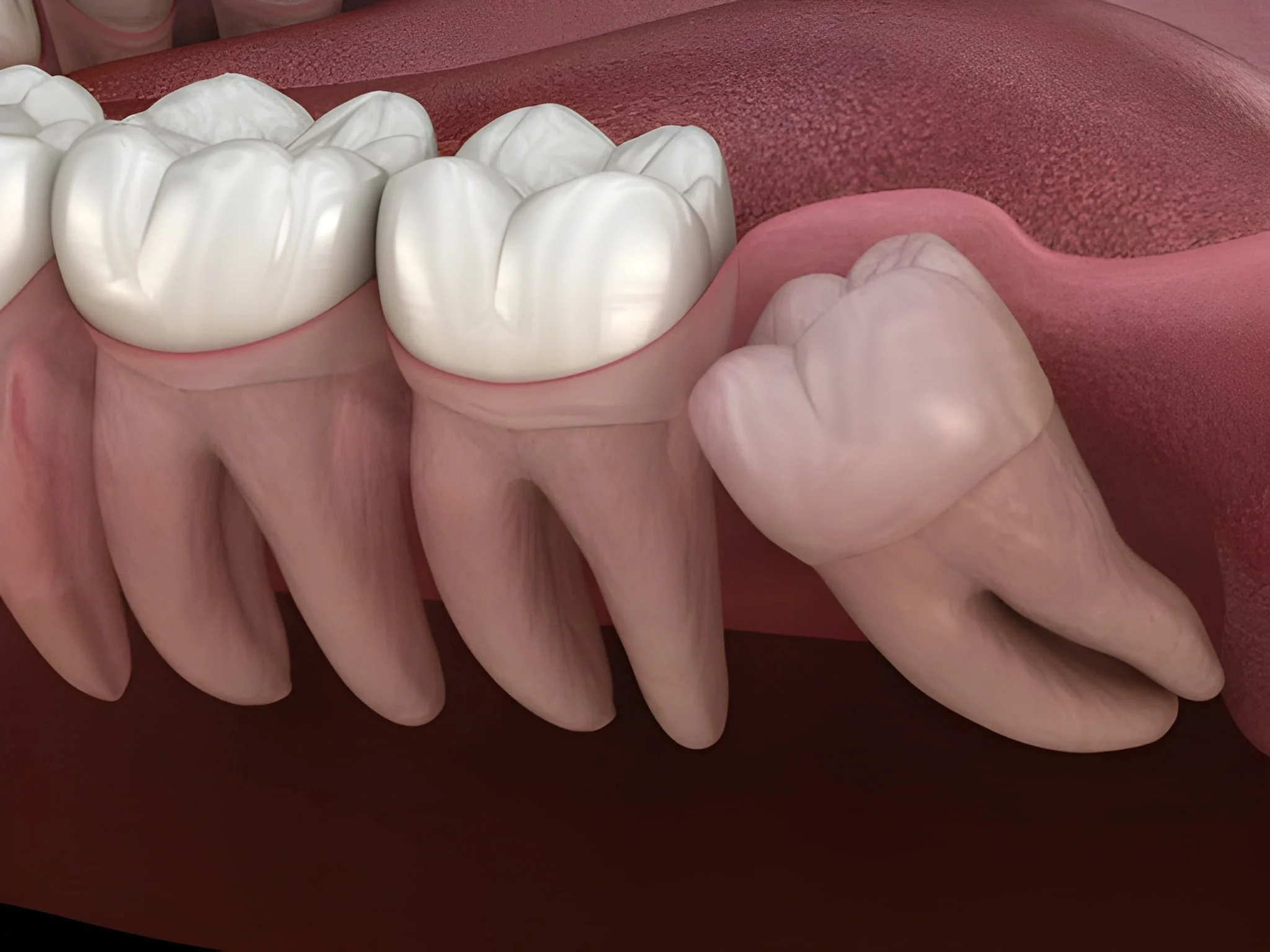
Wisdom Teeth Removal Cost Australia: What You Need to Know

Thinking about getting your wisdom teeth out but not sure what it’ll cost? Most people are in the same boat. Knowing what to expect with pricing helps you plan without any nasty surprises. We’ll walk you through how much it costs to remove wisdom teeth in Australia, why prices differ, and ways to make it fit your budget. What Does Wisdom Teeth Removal Cost? Prices change based on your situation. Here’s what most Australians end up paying: Type of Extraction Cost Range (Per Tooth) Anaesthetic Used Simple Extraction $120 to $300 Local anaesthetic Surgical Extraction (Impacted) $350 to $1,200 Local or

Read More

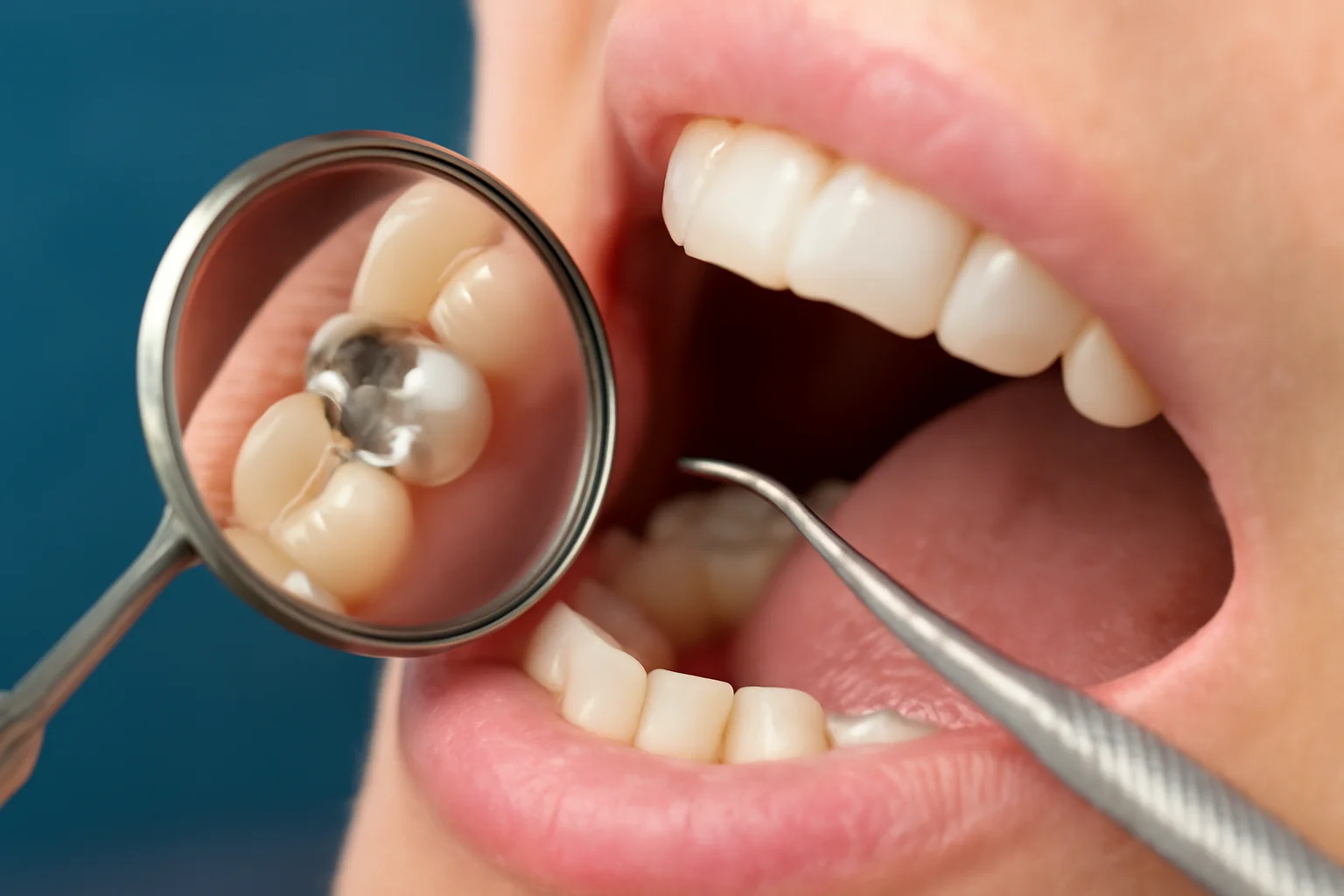
Tooth-Coloured vs Traditional Fillings: What’s the Difference?

Let’s be honest, nobody loves hearing they need a filling. But if you do need one, there’s actually some good news: you’ve got choices these days. Gone are the days when silver was your only option. Now you can choose between tooth-coloured fillings (also called composite fillings) and the traditional silver ones (amalgam). Both have their place, and both work well, but they’re quite different. At Najmi Dental, this is one of the most common questions we get asked. People want to know which type is better, how they compare, and what’s right for their situation. So let’s break it down

Read More

What Is the STA Digital Injection System in Dentistry?

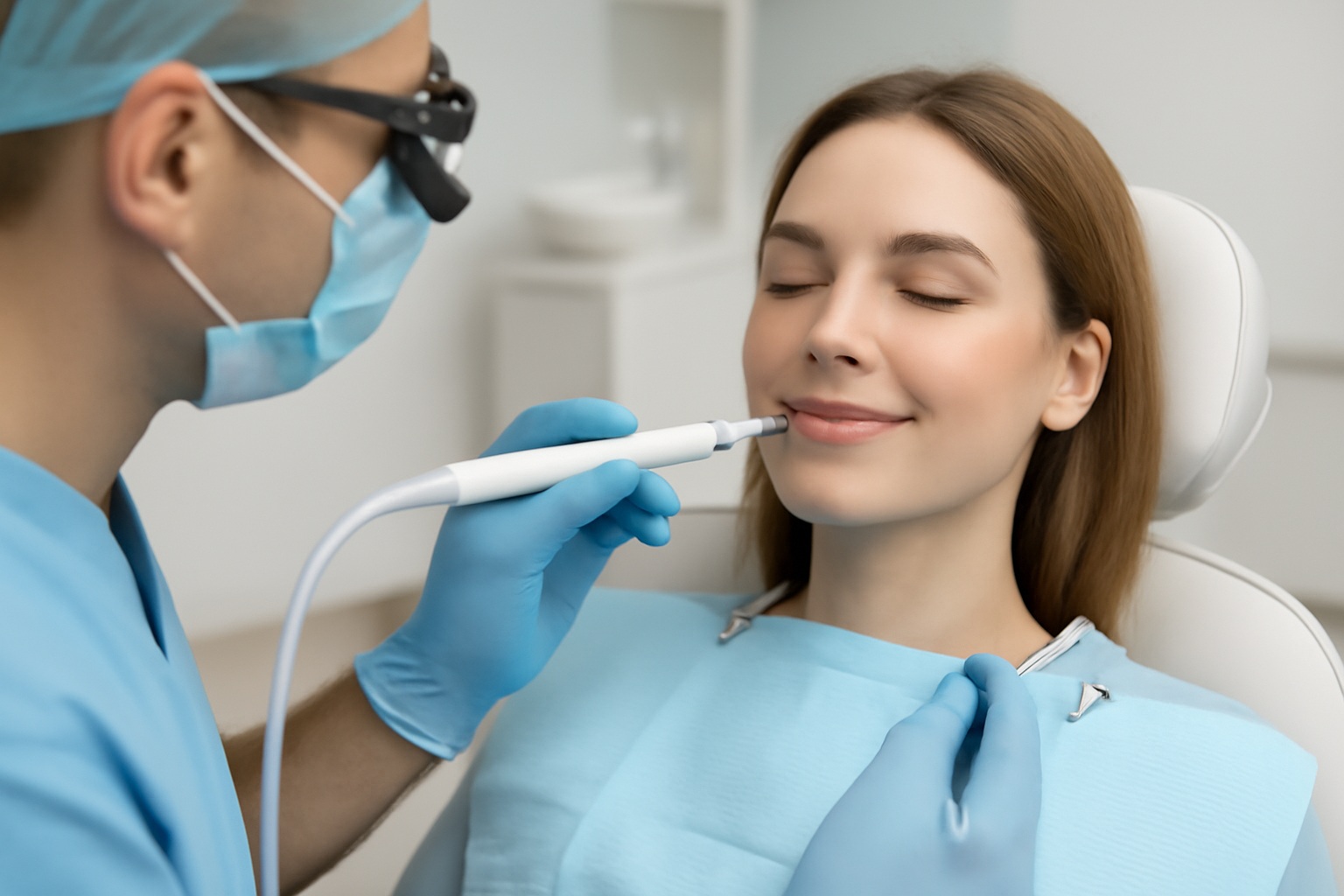
For many people, the thought of a dental injection causes more worry than the treatment itself. The sting, the pressure, or even the sight of a syringe can bring back memories of uncomfortable experiences. The STA Digital Injection System has changed this. Also known as The Wand STA, this computer-assisted technology makes dental injections nearly pain-free while giving dentists exceptional control and precision. At Najmi Dental, we use the STA Digital Injection System because we believe every visit should be as comfortable and anxiety-free as possible. How the STA Digital Injection System Works The STA Digital Injection System replaces traditional syringes

Read More
How Long Do Dental Fillings Last

How Long Do Dental Fillings Last? An Australian Guide

Here’s something most people don’t realize: that filling you got five years ago won’t last forever. But before you panic, there’s plenty you can do to make your fillings go the distance. Understanding how long different materials last and what makes them fail can save you time, money, and unnecessary dental visits. Most fillings give you anywhere from five to fifteen years, though some can keep going for decades. This guide breaks down everything you need to know about making your fillings last. What Are Dental Fillings? A filling repairs a tooth damaged by decay. Your dentist removes the decayed part

Read More

What Is a Dental Crown? Your Complete Guide to Restoring Your Smile

Do you have a chipped, cracked or damaged tooth that is causing a problem? Dental crowns is a proven solution that’s been helping Australians restore their smiles for decades. What Is a Dental Crown? A dental crown is a tooth-shaped cap covering a damaged tooth to restore its shape and function. It serves as a protective helmet for your damaged tooth, looking and functioning just like a real tooth.   What makes crowns special:   Custom-made to match your natural teeth perfectly.   Made from porcelain, ceramic, metal, or resin.   Permanently cemented onto your existing tooth. Restores shape, size, strength, and appearance.   Once cemented

Read More
Composite Veneers vs Porcelain Veneers

Composite Veneers vs Porcelain Veneers: Which Option is Right for You?

When it comes to improving your smile, veneers are one of the most popular cosmetic dental treatments. They can help restore the appearance of chipped, discoloured, or uneven teeth, giving you a more natural, confident smile. But if you’re considering veneers, you’ve probably heard there are two main types: composite veneers and porcelain veneers. Both have their advantages, but the right choice depends on your needs, budget, and lifestyle. Composite Veneers Composite veneers are made from a tooth-coloured resin material (similar to what is used in dental fillings) and are applied directly to the teeth. Benefits of Composite Veneers: Quick treatment

Read More

How Much Does Teeth Whitening Cost in Australia?

A bright smile can make a difference to your confidence, look and social interactions. It is easy to see why many Australians are curious about teeth whitening. If you have been wondering how much teeth whitening costs in Australia, the answers depend on a few things, like what type of treatment, which dentist you go to and where you live. Below, we look at different options, their prices and what to expect. Average Cost of Teeth Whitening in Australia Teeth whitening in Australia ranges in price from $50 to $1,500. The price difference is mainly because of the type of whitening

Read More
smiling-girl-with-coral-color-blouse_11zon

Why Is Invisalign Popular Among Adults in Australia?

The self-esteem and social confidence of an individual can be utterly transformed with the addition of a confident smile. As much as adults would love to fix their teeth, the image of the traditional set of metal braces can be a huge letdown. Braces with visible brackets and wires can seem heavy and a bit attention-catching. This is where Invisalign steps in, offering a discreet and convenient alternative. Before comparing it to braces, it’s essential to understand what Invisalign is and how it works. What Is Invisalign? Invisalign is a modern orthodontic system that employs a set of specially designed, virtually transparent

Read More
female-patient-wearing-braces

What Is Dental Invisalign and How Does It Work?

A perfect smile is something many people want; however, crooked or misaligned teeth can easily break that confidence. For many decades, braces have been the ultimate solution; however, not everyone is comfortable with the obvious appearance of wires and brackets. Invisalign has nearly made that history and offers a modern, practical, and “almost” invisible way of achieving straight teeth. If you have been considering orthodontic treatment but want a more subtle option, the first step is to learn what Invisalign is and how it works. Understanding Invisalign Aligners Invisalign definitely works as it aligns teeth gently to the desired position. For

Read More
Do Toothpastes for Sensitive Teeth Actually Work?

Do Toothpastes for Sensitive Teeth Actually Work? A Dental Guide

If you’ve ever winced while sipping a hot coffee or felt a sharp jolt when eating ice cream, you’re not alone. Tooth sensitivity affects millions of Australians, causing everything from mild discomfort to sharp, shooting pain that can make eating and drinking a genuine ordeal. With countless sensitive teeth toothpastes lining supermarket shelves, you might wonder: do these products actually deliver on their promises, or are they just expensive marketing gimmicks? The short answer is yes, toothpastes designed for sensitive teeth genuinely work, and there’s robust scientific evidence to back up these claims. However, understanding how they work and what to

Read More
dentist-treats-childs-tooth-using-rubber-dam-closeup-tooth-treatment

What is Sleep Dentistry? A Complete Guide

If the thought of visiting the dentist makes your palms sweaty and your heart race, you’re definitely not alone. Dental anxiety affects millions of Australians, often preventing people from getting the oral healthcare they need. Fortunately, there’s a solution that’s transforming how nervous patients experience dental treatment: sleep dentistry. What Exactly is Sleep Dentistry? Sleep dentistry, also known as sedation dentistry, conscious sedation, or twilight sedation, is a safe and effective way to help anxious patients undergo dental procedures in a deeply relaxed, dream-like state. Despite its name, you’re not actually asleep during the treatment – rather, you’re in a state

Read More

Dental Anxiety: 7 Ways We Make Your Visit Comfortable and Stress-Free

Let’s be honest – if you’re reading this, chances are the thought of sitting in a dental chair makes your palms sweat and your heart race. You’re definitely not alone. Studies show that around 1 in 6 Australians experience some level of dental anxiety, with many avoiding the dentist altogether because of their fears. We get it. Maybe you had a rough experience as a kid, or perhaps it’s the sounds, the smells, or simply feeling vulnerable with someone poking around in your mouth. Whatever’s behind your dental anxiety, know that it’s completely valid, and more importantly, it doesn’t have to
Read More
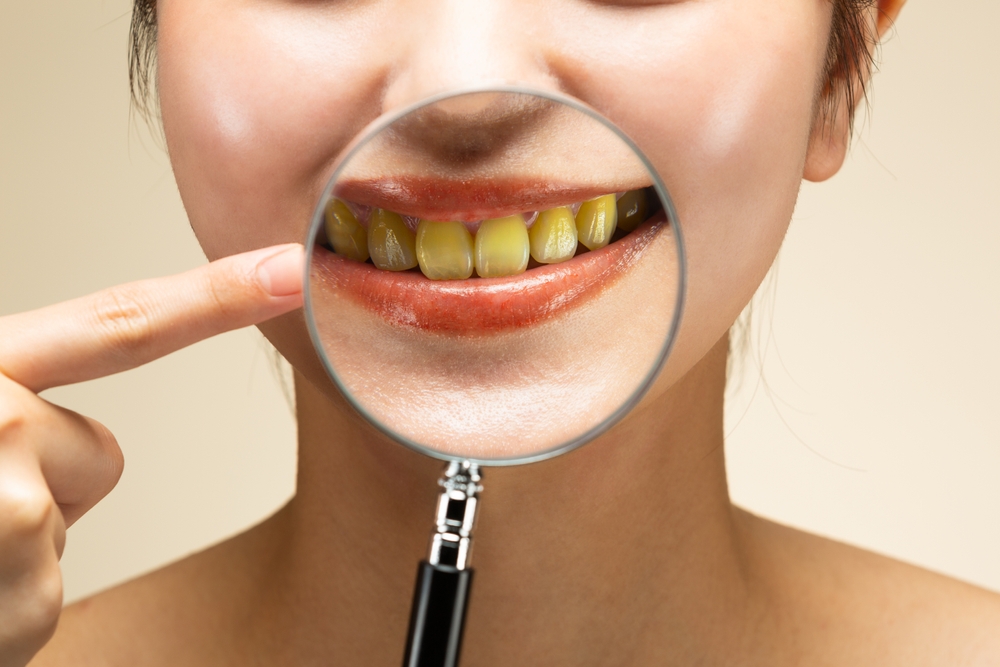
The,Yellowed,Teeth,Of,A,Woman,Are,Enlarged,With,A

How to Get Rid of White Stains on Teeth

White spots or stains on teeth can be a source of cosmetic concern for many Australians. These chalky, opaque areas stand out against the natural colour of teeth, often affecting confidence. This guide explores the origins of white spots and provides solutions to help restore your smile’s uniform appearance. Understanding White Spots on Teeth White spots, medically known as white spot lesions (WSLs), appear as opaque, chalky areas that contrast with the surrounding tooth enamel. These discolourations occur when the enamel loses minerals in a process called demineralisation, creating a different optical appearance than healthy enamel. Common Causes of White Spots

Read More
Dentistry,,Medicine.,A,Female,Dentist,In,A,Mask,Treats,A

Can You Eat After Teeth Fillings?

Dental fillings are among the most common dental procedures performed across Australia. After receiving a filling, many patients wonder about when and what they can safely eat. This guide explores the do’s and don’ts of eating after getting dental fillings. Understanding Different Types of Dental Fillings Different filling materials have different post-procedure dietary restrictions. Traditional amalgam fillings contain a mixture of metals and take approximately 24 hours to fully set. They’re vulnerable to damage from hard foods during this setting period but quite durable once hardened. Composite fillings, made from a mixture of plastic and glass particles, set immediately when cured

Read More

What to Eat After Wisdom Teeth Removal

Wisdom teeth extraction is a common dental procedure that many Australians undergo. Proper post-operative care especially regarding your diet is crucial for a smooth recovery. This guide explores the best foods to eat after wisdom teeth removal. Understanding the Recovery Process Wisdom teeth removal creates wounds in your gums and jaw that need time to heal. During this recovery period, typically lasting about one week, your mouth will be sensitive. What you eat significantly impacts both your comfort and healing rate. Immediately following extraction, blood clots form in the socket where each tooth was removed. These clots are essential for proper

Read More
Face,Expression,Suffering,From,Sensitive,Teeth,,Asian,Young,Woman,Touching

Is Carbonated Water Bad for Your Teeth?

In recent years, carbonated water has surged in popularity as a refreshing alternative to sugary drinks. With Australians becoming increasingly health-conscious, many have turned to sparkling water as a seemingly healthier option. But amidst this fizzy water trend, concerns have emerged about its potential impact on dental health. Let’s dive into the science behind carbonated beverages and their effects on your teeth. Understanding Carbonated Water Carbonated water, also known as sparkling water, soda water, or fizzy water, is essentially water that has been infused with carbon dioxide gas under pressure. This process creates the characteristic bubbles and effervescence that many find

Read More

Should You Brush Your Teeth Before or After Breakfast?

The age-old question of whether to brush your teeth before or after breakfast continues to divide opinions among dental professionals and patients alike. This seemingly simple decision can actually have significant implications for your oral health. Let’s explore the science behind this daily dilemma and help you make the most informed choice for your dental routine. The Case for Brushing Before Breakfast Many dental professionals recommend brushing your teeth first thing in the morning, even before you’ve had your brekkie. But why? When you sleep, bacteria multiply in your mouth, creating a layer of plaque that coats your teeth. These bacteria

Read More
Dentures That You Can Wear All The Time

Dentures That You Can Wear All The Time

For many people seeking tooth replacement options, the ability to wear dentures continuously is a significant priority. Modern dental technology has made it possible to have dentures that can be worn for extended periods, offering greater convenience and confidence. These solutions, often called permanent or fixed dentures, provide a more stable and comfortable alternative to traditional removable options. Understanding Implant-Supported Dentures The most reliable way to achieve “all-the-time” denture wear is through implant-supported dentures. These prosthetics are anchored to dental implants surgically placed in the jawbone, creating a secure foundation that allows for constant wear. Unlike traditional removable dentures, implant-supported options

Read More
How Do Dentures Work?

How Do Dentures Work? 

Modern dentures represent a remarkable blend of dental science and engineering, providing essential solutions for people with missing teeth. These dental prosthetics have evolved significantly over the years, offering increasingly natural-looking and comfortable options for those seeking to restore their smile and oral function. In this comprehensive guide, we’ll explore the intricate mechanics of how dentures work and the science behind their functionality. Understanding the Basics of Dentures Dentures are removable dental prosthetics designed to replace missing teeth and surrounding tissue. Full vs. partial dentures serve different purposes, with complete dentures replacing all teeth in an arch while partial dentures fill

Read More
Understanding Upper and Lower False Teeth

Understanding Upper and Lower False Teeth

When facing tooth loss, understanding your dental prosthetic options becomes crucial for maintaining oral health and quality of life. Upper and lower false teeth provide effective solutions for those experiencing partial or complete tooth loss, offering both functional and aesthetic benefits that can significantly improve daily activities like eating and speaking. Understanding Upper Dentures: Benefits and Characteristics Upper dentures have distinct advantages in terms of stability and comfort. The palatal coverage creates a natural vacuum effect, which helps maintain position during use. Natural Suction Effect The physics behind upper denture retention involves the palatial vault, which creates a reliable seal. This

Read More
Partial Dentures vs. Full Dentures: Which One is Right for You?

Partial Dentures vs. Full Dentures: Which One is Right for You?

Tooth loss can impact not just your smile but also your ability to eat, speak, and maintain oral health. When considering tooth replacement options, dentures are a common and effective solution. However, choosing between partial and full dentures depends on your dental needs, lifestyle, and personal preferences. This guide will help you understand the key differences and benefits of each option. What Are Dentures? Dentures are removable prosthetic devices designed to replace missing teeth and restore oral function. They come in two main types: partial dentures and full dentures. While partial dentures are used when some natural teeth remain, full dentures

Read More
Nutrition-and-Oral-Health-Essential-Diet-Guidelines-for-Seniors

Nutrition and Oral Health: Essential Diet Guidelines for Seniors

Recent studies from Australian nutritionists and dental professionals reveal that diet plays a crucial role in maintaining oral health during senior years. With proper nutrition, seniors can reduce dental problems by up to 40% while maintaining stronger teeth and healthier gums. The Connection Between Diet and Dental Health Poor nutrition affects more than just general health. Australian dental research shows that inadequate dietary choices can lead to accelerated tooth decay, gum disease, and weakened dental structures. A balanced diet provides essential nutrients that help maintain strong teeth and healthy gums throughout senior years. Proper nutrition for senior oral health starts with

Read More
Natural Teeth Preservation

Making Smart Choices: Natural Teeth Preservation vs Dental Prosthetics

Recent Australian dental statistics show that 1 in 5 adults over 65 have lost all their natural teeth. However, with proper care and informed decisions, maintaining natural teeth or choosing appropriate prosthetics can significantly improve quality of life in senior years. Understanding the Value of Natural Teeth Preserving natural teeth offers significant benefits. Australian dental research indicates that people with natural teeth typically maintain better nutrition and experience greater confidence in social situations. Here’s why keeping your natural teeth matters: Essential Tips for Natural Teeth Preservation Preserving your natural teeth requires consistent care and attention. Leading Australian dentists recommend: When to

Read More
Understanding-Dental-Care-When-Managing-Medical-Conditions.

Understanding Dental Care When Managing Medical Conditions

Medical conditions and oral health are closely interlinked, with each affecting the other in significant ways. Research from Australian healthcare providers shows that 75% of seniors managing chronic conditions face additional dental challenges. Understanding this connection is crucial for maintaining overall health. Common Medical Conditions Affecting Dental Health Diabetes and Oral Health Diabetes significantly impacts dental health, affecting nearly 1.2 million Australians. High blood sugar levels can lead to more frequent gum infections and slower healing after dental procedures. Studies show diabetic patients are twice as likely to develop gum disease compared to non-diabetic individuals. Regular dental check-ups become particularly important

Read More
Age-Related-Dental-Changes-and-Solutions.

Age-Related Dental Changes and Solutions: What to Expect As You Get Older

As we age, our dental health faces unique challenges. Studies from the Australian Institute of Health and Welfare show that nearly 70% of Australians aged 65 and above experience significant changes in their oral health. Understanding these changes and knowing how to address them is crucial for maintaining a healthy smile in your later years. Common Age-Related Dental Changes Worn Tooth Enamel Over time, years of chewing, grinding, and exposure to acidic foods can wear down tooth enamel. Australian dental studies indicate that 63% of seniors experience some degree of enamel erosion. This wearing process can lead to: Receding Gums Gum

Read More
The Role of Nutrition in Senior Oral Health

Senior Dental Care: A Comprehensive Guide to Oral Health in Later Life

Growing older brings unique challenges to maintaining oral health. With over 20% of adults aged 65 and above experiencing tooth loss, understanding proper dental care becomes crucial for maintaining quality of life in senior years. Studies show that 67% of seniors face significant dental issues that could have been prevented with proper knowledge and care. Understanding Age-Related Changes Our oral health needs evolve significantly as we age. According to recent studies, 68% of adults over 65 develop some form of gum disease. These changes aren’t just about teeth – they affect overall health and well-being. Natural Changes and Their Impact The

Read More
Treatment Options for Oral Cancer: What You Need to Know

Treatment Options for Oral Cancer: What You Need to Know

Oral cancer treatment depends on the stage, location, and overall health of the patient. Early detection increases the range of treatment options and improves success rates. This article explores the main treatment methods for oral cancer, their benefits, and what patients can expect during and after treatment. Overview of Oral Cancer Treatments Oral cancer treatments are designed to remove cancerous cells, prevent their spread, and restore the patient’s oral health and function. The most common treatments include surgery, radiation therapy, chemotherapy, and advanced approaches like targeted therapy and immunotherapy. The Importance of Early Detection When oral cancer is diagnosed early, treatment

Read More